Duolingo Owl Death: Unraveling The Mystery And Understanding The Phenomenon - The Duolingo owl represents more than just a cute mascot. It symbolizes wisdom, learning, and perseverance. Owls have long been associated with intelligence in various cultures, making them an ideal choice for a language-learning app. Additionally, the owl's presence in the app serves as a constant reminder of the importance of consistency and dedication in achieving language fluency. According to Duolingo's official reports, the app has over 500 million registered users worldwide. Approximately 40 million active users engage with the platform daily, highlighting its popularity and effectiveness as a language-learning tool.
The Duolingo owl represents more than just a cute mascot. It symbolizes wisdom, learning, and perseverance. Owls have long been associated with intelligence in various cultures, making them an ideal choice for a language-learning app. Additionally, the owl's presence in the app serves as a constant reminder of the importance of consistency and dedication in achieving language fluency.
Research has shown that gamification can significantly enhance learning outcomes by making the process more enjoyable and rewarding. However, it is important to strike a balance between motivation and pressure to avoid burnout.
The phrase "Duolingo owl death" might sound alarming at first glance, but it is deeply rooted in the playful and sometimes exaggerated interactions users have with the app. For many, the Duolingo owl, affectionately known as Duo, has become a symbol of motivation and accountability in language learning. However, the idea of "death" in this context is more metaphorical than literal, often tied to the app's gamification features and user experiences.
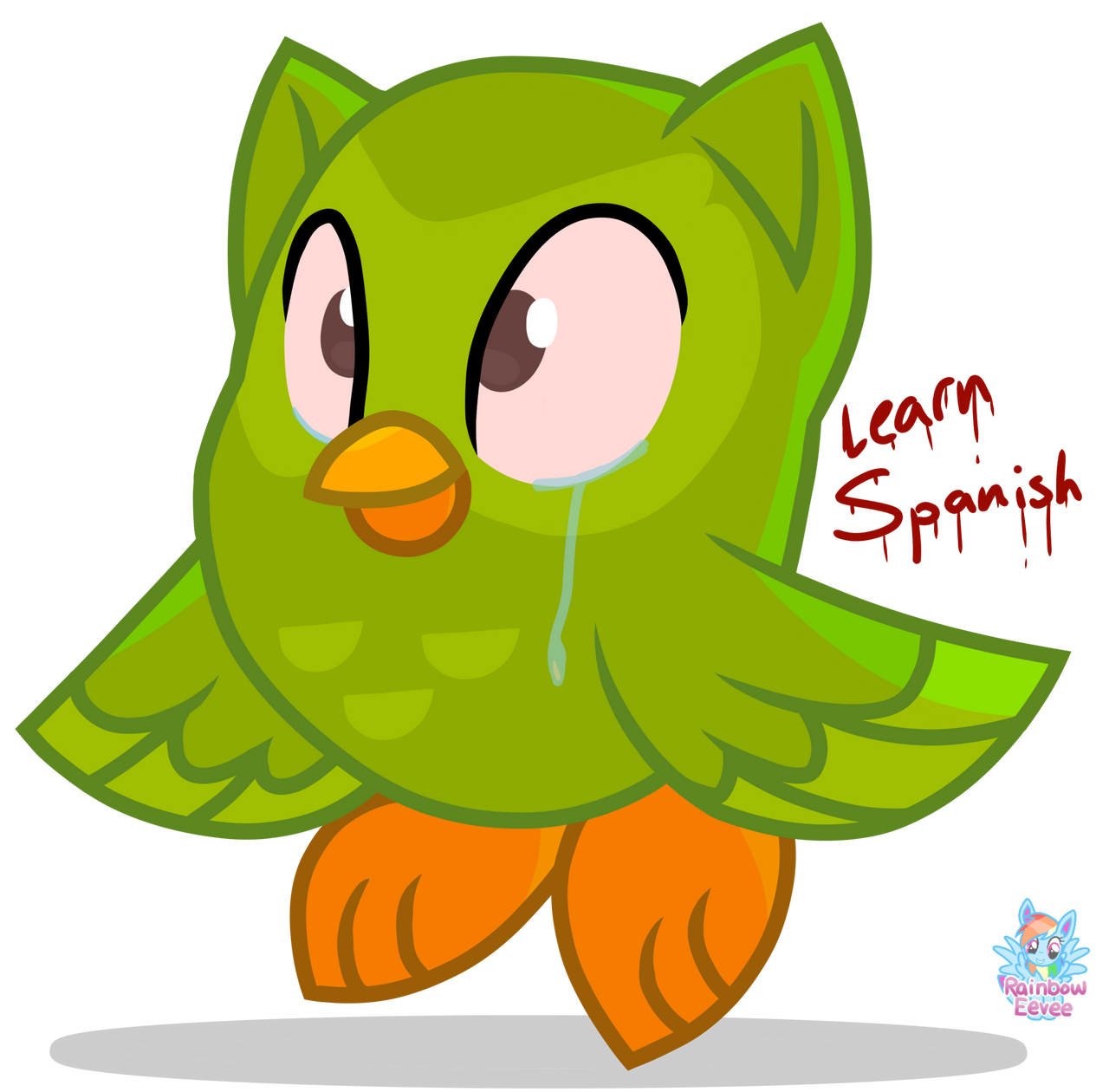
Dead inside Duolingo owl by RainbowEeveeDA on DeviantArt
We encourage you to share your thoughts and experiences with the Duolingo app in the comments section below. Additionally, feel free to explore other articles on our website for more insights into language learning and internet culture. Together, let's continue to celebrate the joy of learning and the power of storytelling in education.
This playful approach has resonated with users, leading to the creation of memes and jokes about the Duolingo owl's supposed demise. While the idea is far from serious, it highlights the app's ability to engage users through emotional connections and storytelling.
However, some users have expressed concerns about the app's pressure to maintain streaks. While the concept of "death" is lighthearted, it can sometimes feel overwhelming for those who struggle to keep up with daily practice.
The phenomenon of "Duolingo owl death" can be explained through psychological principles such as motivation, emotional attachment, and cognitive dissonance. The app's use of anthropomorphism creates a sense of empathy and responsibility toward the owl, making users more likely to engage with the platform regularly.
The Duolingo owl, a beloved mascot for millions of language learners worldwide, has sparked curiosity and concern over the topic of "Duolingo owl death." This seemingly dramatic phrase has led to widespread discussions, memes, and even urban legends surrounding the app's mascot. But what exactly does this term mean, and why has it captured the attention of so many users?
Studies have also shown that users who maintain consistent streaks are more likely to achieve fluency in their target languages. The app's gamification features, including the streak system and the Duolingo owl, play a crucial role in keeping users engaged and motivated.
While the core concept of "Duolingo owl death" remains consistent, there are several variations of the myth that have emerged over time. Some users believe that the owl's "death" is tied to specific milestones, such as missing multiple days in a row or failing to complete all lessons in a module. Others have speculated that the owl's "life" is influenced by external factors, such as app updates or server issues.
Furthermore, the app's streak system taps into the human desire for achievement and recognition. By framing the idea of "death" as a consequence of neglect, the app motivates users to maintain their streaks and avoid feelings of guilt or regret.